Closeness in Change – The Couple Relationship Through Life’s Phases and Transitions


Closeness in Change – The Couple Relationship Through Life’s Phases and Transitions
A relationship is rarely static. It moves, evolves, and transforms alongside the lives we lead. From the spark of early love to the routines of everyday life, from raising children to rediscovering each other after they’ve left home—each chapter brings new challenges to closeness, communication, and understanding. But how do couples stay connected when life keeps changing? And how can change actually deepen love rather than threaten it?
The Energy of New Love and the Early Years
In the beginning, everything feels effortless. Attraction and curiosity create a natural closeness, where partners want to share every thought and moment. Chemistry and excitement make connection easy. But as daily life settles in and infatuation turns into deeper love, closeness becomes something that requires intention.
This is often the stage where couples start to see each other’s differences more clearly. Small disagreements can arise, and it becomes clear that love is not only about feelings—it’s also about choice. Choosing each other, even when it’s not easy. Talking openly about expectations, needs, and boundaries can build a strong foundation for the years ahead.
When Everyday Life Takes Over
After the first few years, relationships often face the pressures of work, bills, and possibly children. Time together can become scarce, and closeness can get lost in logistics and responsibilities. Conversations may shift from dreams and emotions to grocery lists and schedules.
In this phase, it’s about finding small moments of connection amid the busyness. A hug before leaving for work, a shared cup of coffee, a walk without phones—simple gestures that remind you that you’re still a couple, not just a team managing life. It’s also important to talk about missing each other without turning it into blame. Closeness requires the courage to be vulnerable.
Family Life and Shifting Focus
When children arrive, the dynamic changes again. The focus naturally turns toward the kids, and many couples find their relationship temporarily pushed to the background. It’s a phase that demands patience and empathy. Lack of sleep, new roles, and different needs can create distance—but also a deeper bond if partners support each other through it.
Maintaining closeness doesn’t necessarily mean grand romantic gestures. It’s about noticing each other in small ways: a smile, a touch, a word of appreciation. Recognizing each other’s efforts and allowing space for both togetherness and individuality can make a big difference.
Midlife and Changing Roles
As children grow or careers take center stage, relationships often face another transition. Some couples drift apart, while others find renewed energy in having more freedom. It’s a time when many people reflect on what they want from life—and from each other.
This can be a good moment to rediscover one another. What do you dream about now? What brings you joy? Maybe it’s time to start new projects together or revisit old interests. Closeness in midlife often means finding a new balance between independence and connection.
When the Nest Empties
When children move out, many couples face a new kind of quiet. The shared task that once filled so much space is suddenly gone. This can bring both sadness and opportunity. For some, it’s a chance to reconnect; for others, it’s a challenge to redefine what the relationship is without the family structure at its center.
This is a time to invest in each other again—through travel, shared hobbies, or simply more time together. It takes curiosity and willingness to create a new “us,” one that fits this stage of life.
Closeness in Later Life
In later years, closeness changes once more. Bodies, energy, and routines shift. Yet many couples find that love becomes deeper—quieter, but more genuine. You know each other’s strengths and flaws, and there’s a special intimacy in that familiarity.
Maintaining closeness now means continuing to share—thoughts, memories, worries, and joys. Holding on to humor, gratitude, and physical affection, even in small ways, keeps the bond alive. Closeness in old age may be less dramatic, but it’s often more real.
Læs også:



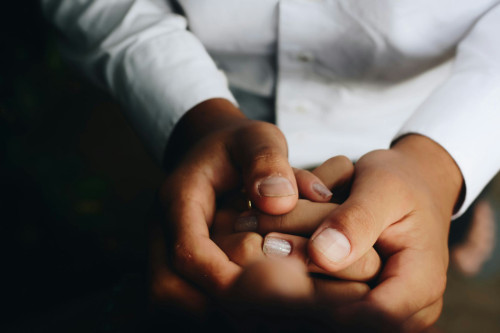
Closeness as a Lifelong Movement
A relationship isn’t a fixed state—it’s a movement through life’s phases. Sometimes close, sometimes distant. The goal isn’t to avoid change, but to face it together. Closeness grows when partners dare to be honest—about what’s hard and about what still connects them.
To love through life’s changes takes courage, patience, and the ongoing choice to keep choosing each other—not because you have to, but because you want to.
Læs også: