Extend Your Clothes’ Lifespan with Natural Materials and Simple Storage

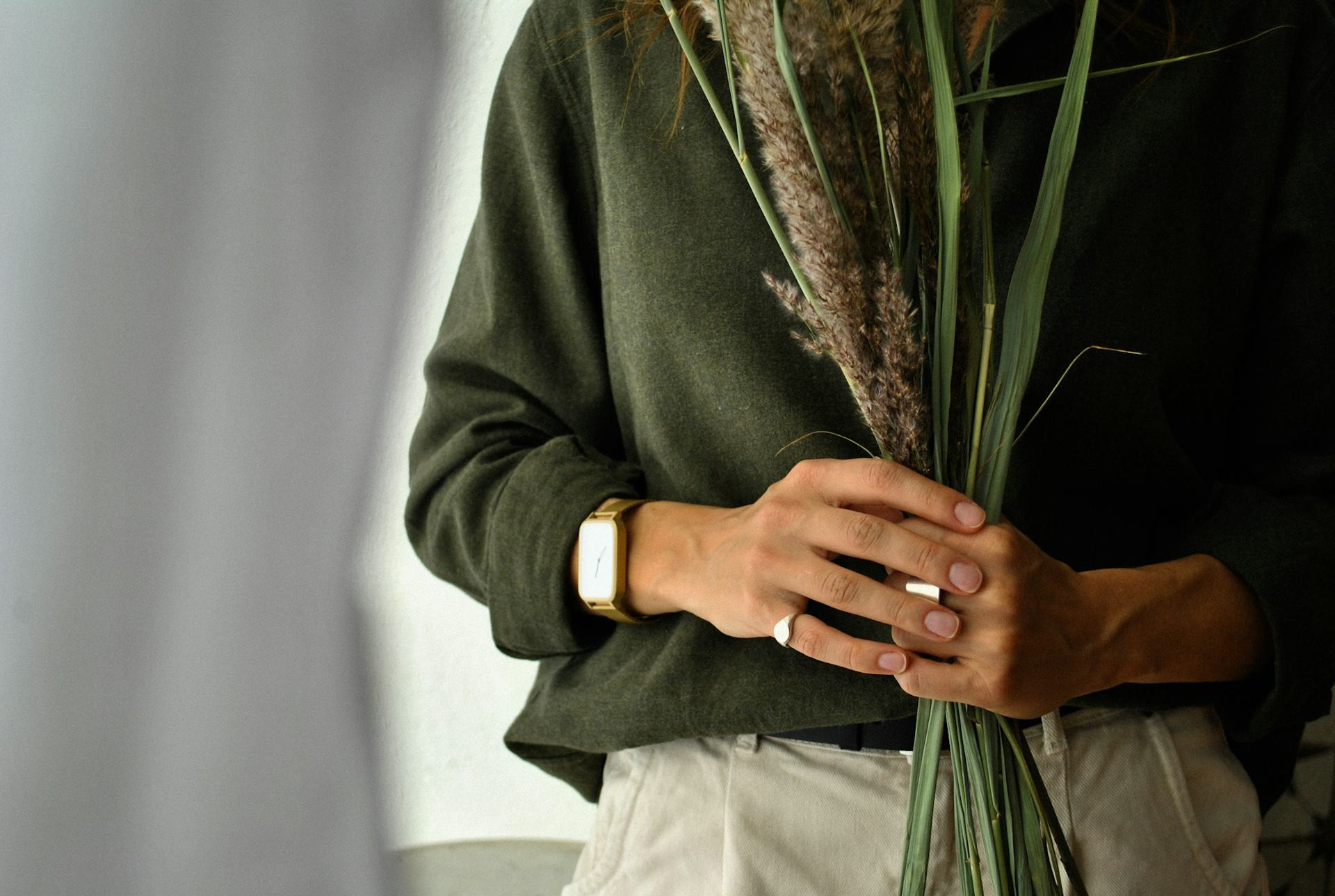
Extend Your Clothes’ Lifespan with Natural Materials and Simple Storage
In a time when sustainability and mindful consumption are becoming more important, it makes sense to look at how we can make our clothes last longer. It’s not just about buying less—it’s about choosing materials that age beautifully and storing garments in ways that protect them from wear and damage. Here’s a guide to how a few simple habits can help you extend the life of your wardrobe and get more enjoyment out of what you already own.
Choose Natural Materials That Last
When shopping—whether in-store or online—the fabric you choose can make a big difference in how long your clothes hold up. Natural fibers like wool, cotton, linen, and silk have qualities that make them more durable and comfortable than many synthetic alternatives.
- Wool is naturally odor-resistant and often needs less washing, which means less wear and lower energy use.
- Cotton is strong and can handle frequent washing, especially if you choose a tightly woven, high-quality fabric.
- Linen actually gets softer and stronger over time, and its natural texture resists bacteria and odors.
- Silk is delicate but, with proper care, can last for years while maintaining its luster.
Try to avoid clothing made with a high percentage of synthetic fibers like polyester or acrylic. While they may seem practical, they tend to lose shape faster, pill more easily, and contribute to microplastic pollution when washed.
Wash Less—and Wash Smarter
Overwashing is one of the biggest culprits when it comes to shortening a garment’s life. Every wash cycle wears down fibers, and many stains or odors can be treated without tossing the whole item in the machine.
- Air out clothes after wearing them—especially wool and linen, which benefit from fresh air.
- Wash in cold water with a gentle, enzyme-free detergent that’s kind to natural fibers.
- Turn garments inside out before washing, and skip the dryer when possible. Air drying helps preserve shape and texture.
- Use mesh laundry bags for delicate fabrics like silk and wool.
By washing less frequently and more gently, you’ll save energy and significantly extend the lifespan of your clothes.
Læs også:
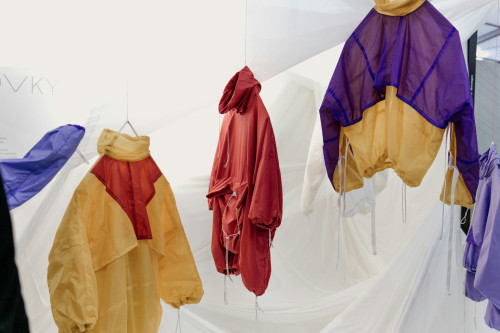



Store Your Clothes with Care
Even the best-made clothes can suffer if stored improperly. A few thoughtful adjustments in your closet can make a big difference.
- Hang only what can handle it. Fold knits and heavy sweaters to prevent stretching.
- Use wooden or padded hangers instead of wire ones, which can leave marks or distort shoulders.
- Keep your closet clean and dry. Moisture and dust can attract moths and cause odors.
- Use natural repellents like lavender sachets or cedar blocks to deter insects.
- Rotate seasonally. Store off-season clothes in breathable cotton bags or bins to protect them from dust and compression.
A well-organized closet not only protects your clothes but also helps you see what you own—reducing the urge to buy more.
Repair and Maintain Instead of Replacing
A small tear or missing button doesn’t have to mean the end of a garment. In fact, repairing your clothes can give them character and extend their life considerably.
Learn a few basic skills: sewing on a button, patching a hole, or reinforcing a seam. Many communities across the U.S. now host repair cafés or sewing workshops where you can get help and inspiration. Regular maintenance also matters—use a fabric brush, steamer, or waterproofing spray to keep outerwear and shoes in good condition.
A Mindful Wardrobe
Extending your clothes’ lifespan is ultimately about shifting your mindset—from consumption to care. When you choose natural materials, wash thoughtfully, and store garments properly, you’re not just preserving your wardrobe—you’re investing in a more sustainable lifestyle.
It doesn’t take major effort, just small, intentional choices that add up over time. The reward? A wardrobe that feels more personal, well-kept, and timeless.
Læs også: