Thanksgiving or Memorial Service – What’s the Difference?


Thanksgiving or Memorial Service – What’s the Difference?
In the United States, the words Thanksgiving and memorial service might both bring to mind gatherings, reflection, and gratitude. Yet they refer to two very different occasions with distinct purposes and traditions. Understanding the difference helps us appreciate each for what it is – one a national holiday of gratitude, the other a personal or communal moment of remembrance.
What Is Thanksgiving?
Thanksgiving is a national holiday celebrated on the fourth Thursday of November. It traces its roots back to early colonial harvest festivals, when settlers and Indigenous peoples shared meals in gratitude for the harvest and survival through difficult seasons. Today, it’s a time for families and friends to come together, share a meal—often featuring turkey, stuffing, and pumpkin pie—and express thanks for the blessings of the past year.
While Thanksgiving has religious origins for some, it is now largely a secular holiday centered on gratitude, togetherness, and reflection. Many people also use the day to volunteer, donate to food drives, or reach out to those in need, emphasizing the spirit of generosity that defines the season.
What Is a Memorial Service?
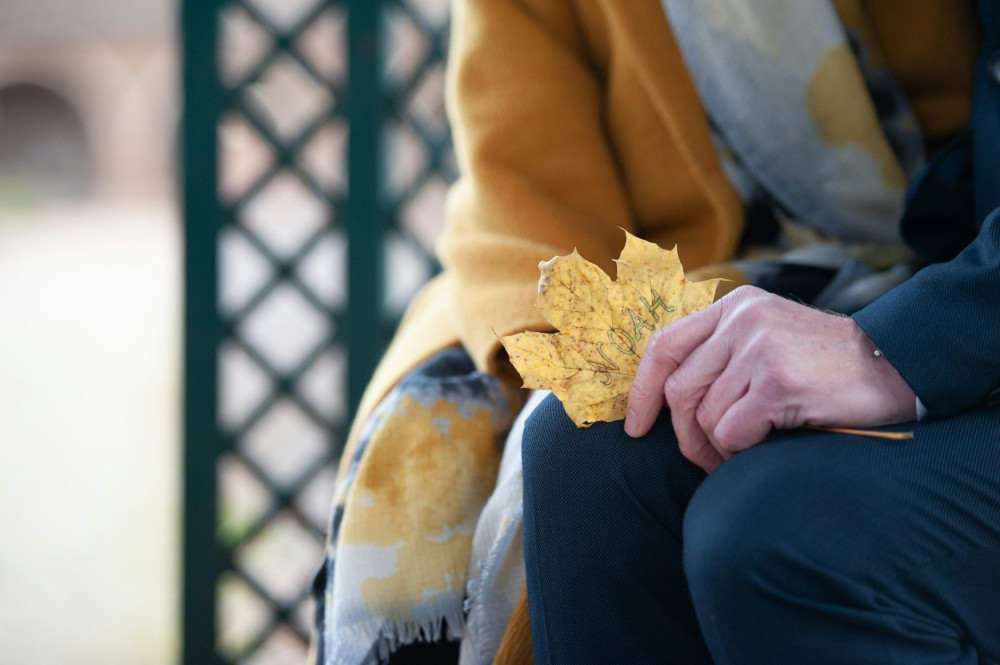
A memorial service, on the other hand, is a ceremony held to honor and remember someone who has passed away. Unlike a funeral, which typically takes place soon after death and may include the body or ashes, a memorial service can be held days, weeks, or even years later. It can take place in a church, funeral home, community center, or any location meaningful to the deceased or their loved ones.
The tone and format of a memorial service vary widely. Some are formal and religious, with prayers, hymns, and readings. Others are informal gatherings where family and friends share stories, photos, and memories. The focus is on celebrating a life lived, offering comfort to those grieving, and finding meaning in remembrance.
How They Differ in Purpose and Spirit
Although both Thanksgiving and memorial services involve reflection and gratitude, their focus and purpose are quite distinct:
| Aspect | Thanksgiving | Memorial Service | |---------|---------------|------------------| | Purpose | To give thanks for life’s blessings and the harvest season | To honor and remember someone who has died | | Timing | Fourth Thursday in November | Any time after a person’s passing | | Setting | Home, community, or public gatherings | Church, funeral home, or personal venue | | Tone | Festive, communal, focused on gratitude | Reflective, personal, focused on remembrance | | Participants | Family, friends, and community | Family, friends, and those connected to the deceased |
In short, Thanksgiving is about collective gratitude for life and abundance, while a memorial service is about personal remembrance and healing after loss.
When Each Occasion Matters
Thanksgiving offers a moment to pause and appreciate what we have—our relationships, our health, and the simple joys of daily life. It’s a reminder to express gratitude not just once a year, but throughout the seasons.
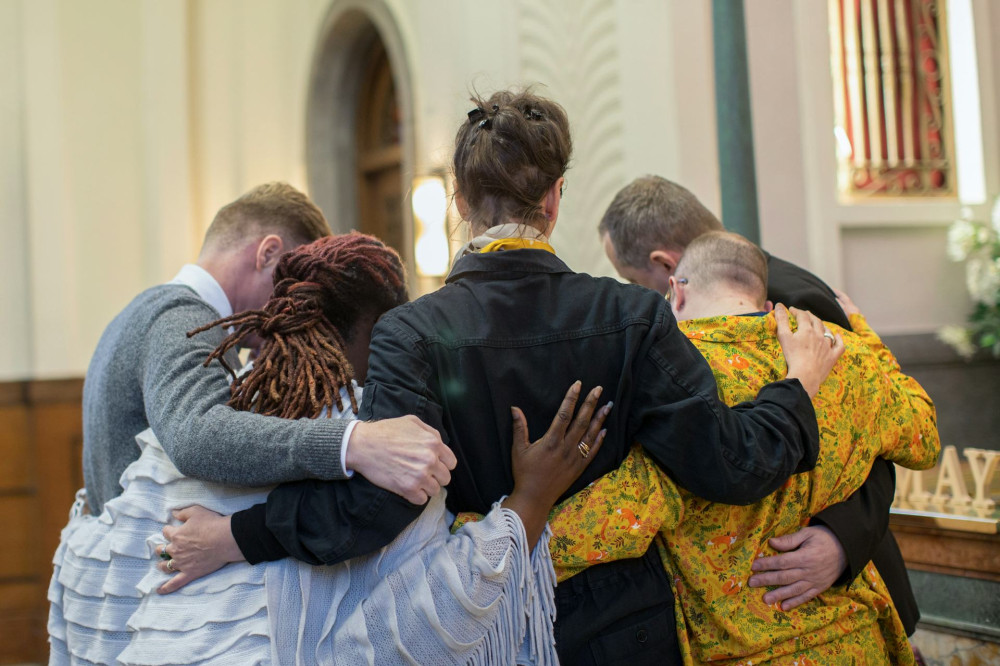
A memorial service, by contrast, provides space to grieve, to share memories, and to find comfort in community. It helps those left behind begin to heal and to carry forward the legacy of the person they’ve lost.
Læs også:


A Shared Thread: Gratitude and Connection
Despite their differences, both Thanksgiving and memorial services are rooted in the same human impulse: to gather, to remember, and to give thanks. Whether we’re celebrating the abundance of life or honoring a life that has ended, both occasions remind us of the importance of connection, compassion, and gratitude—the ties that hold us together through joy and sorrow alike.
Læs også: