Turn Your Walk Into a Sensory Experience


Turn Your Walk Into a Sensory Experience
A walk can be so much more than exercise or a way to get from one place to another. When you walk with your senses open, even the most familiar route can become a source of calm, inspiration, and presence. It’s about slowing down, noticing your surroundings, and letting your body and mind move together. Here’s how you can turn your next walk into a sensory experience.
Slow Down and Find Your Rhythm
In our busy lives, many of us walk quickly and with a goal in mind. But to truly experience your surroundings, it helps to slow your pace. Try finding a rhythm where you can feel your steps, hear your breath, and sense the ground beneath your feet.
Let your walk become a gentle rhythm that brings your body and mind into balance. You might even try walking without music or a podcast—silence can open up space for the sounds around you to come alive.
Engage All Your Senses
A sensory walk is about more than what you see. Try focusing on one sense at a time:
- Listen to birds, the rustle of leaves, or the hum of distant traffic.
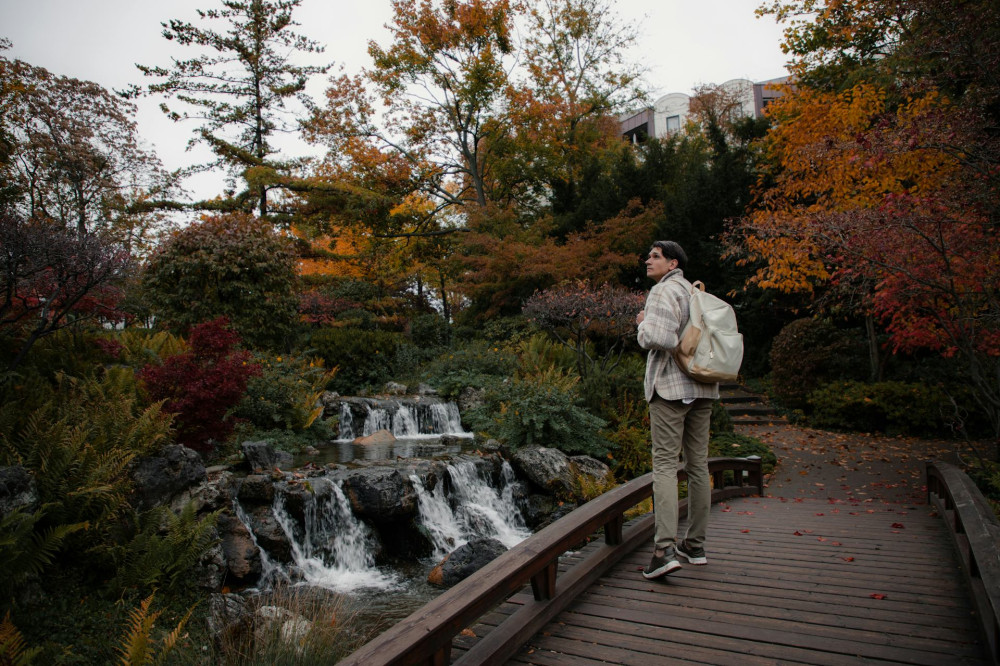
- See the colors of the trees, the play of light and shadow, or the way the sky changes as you move.
- Feel the temperature on your skin, the breeze on your face, or the texture of a tree trunk.
- Smell freshly cut grass, rain on the pavement, or the aroma of coffee drifting from a nearby café.
- Taste the crisp air, a sip of water, or maybe a snack you bring along.
When you consciously engage your senses, your walk becomes a grounding experience that connects you to the present moment.
Explore New Paths
Even small changes in your route can bring new discoveries. Try taking a different street, walking through a park you’ve never visited, or exploring a nearby trail. You’ll notice details you’ve never seen before—a mural on a wall, the scent of blooming flowers, or the sound of a creek you didn’t know was there.
If you live in a city, look for green spaces, waterfront paths, or quiet neighborhoods. If you’re in a rural area, let country roads and forest trails guide you. The key is to stay curious and let your walk unfold naturally.
Læs også:



Make It a Moment of Calm
A sensory walk can also be a break from constant thinking and planning. Instead of using the time to solve problems, let your thoughts drift. If you notice your mind getting caught up in worries, gently bring your attention back to your steps or your surroundings.
Some people treat walking as a form of meditation—a way to find clarity and peace. You can focus on your breathing or repeat a calming phrase to yourself. The goal isn’t to achieve anything, but simply to be present.
Walk Alone or Share the Experience
Walking alone and walking with others offer different kinds of joy. A solo walk gives you space for reflection and quiet, while walking with a friend can spark meaningful conversation and connection.
If you walk with someone, try spending a few minutes in silence before sharing what you each noticed. It can deepen your awareness of both your environment and each other.
Make It a Habit
The more often you walk with your senses open, the easier it becomes to find peace and pleasure in simple moments. You don’t need long hikes—just a short walk during your lunch break or after dinner can make a difference.
What matters most is giving yourself permission to be fully present as you walk. Over time, you’ll find that walking not only strengthens your body but also nourishes your mind.
Læs også: