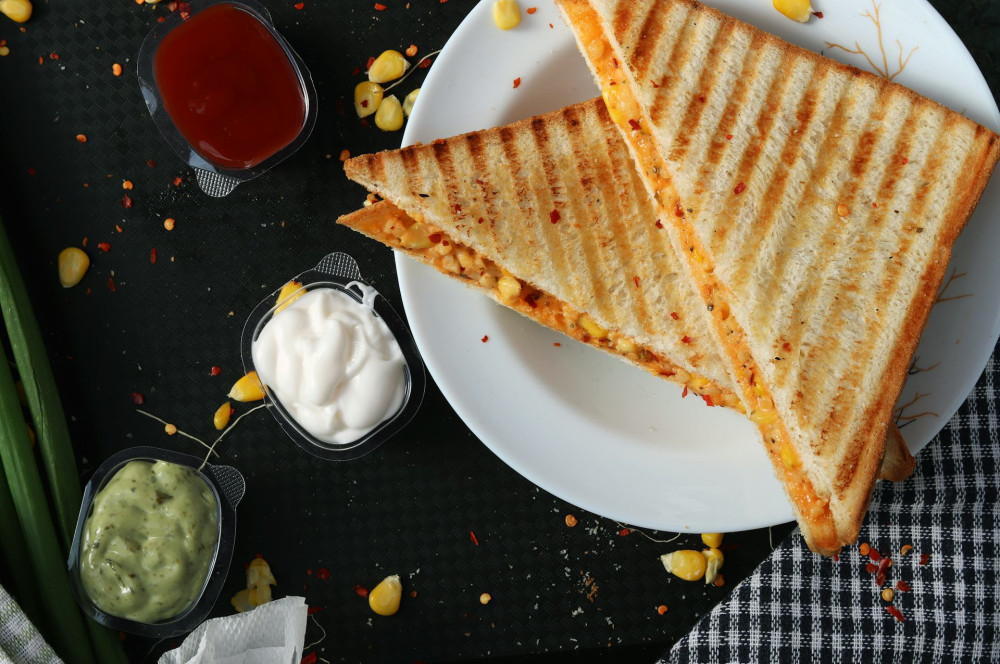
Food in Layers: How to Build Flavor and Texture

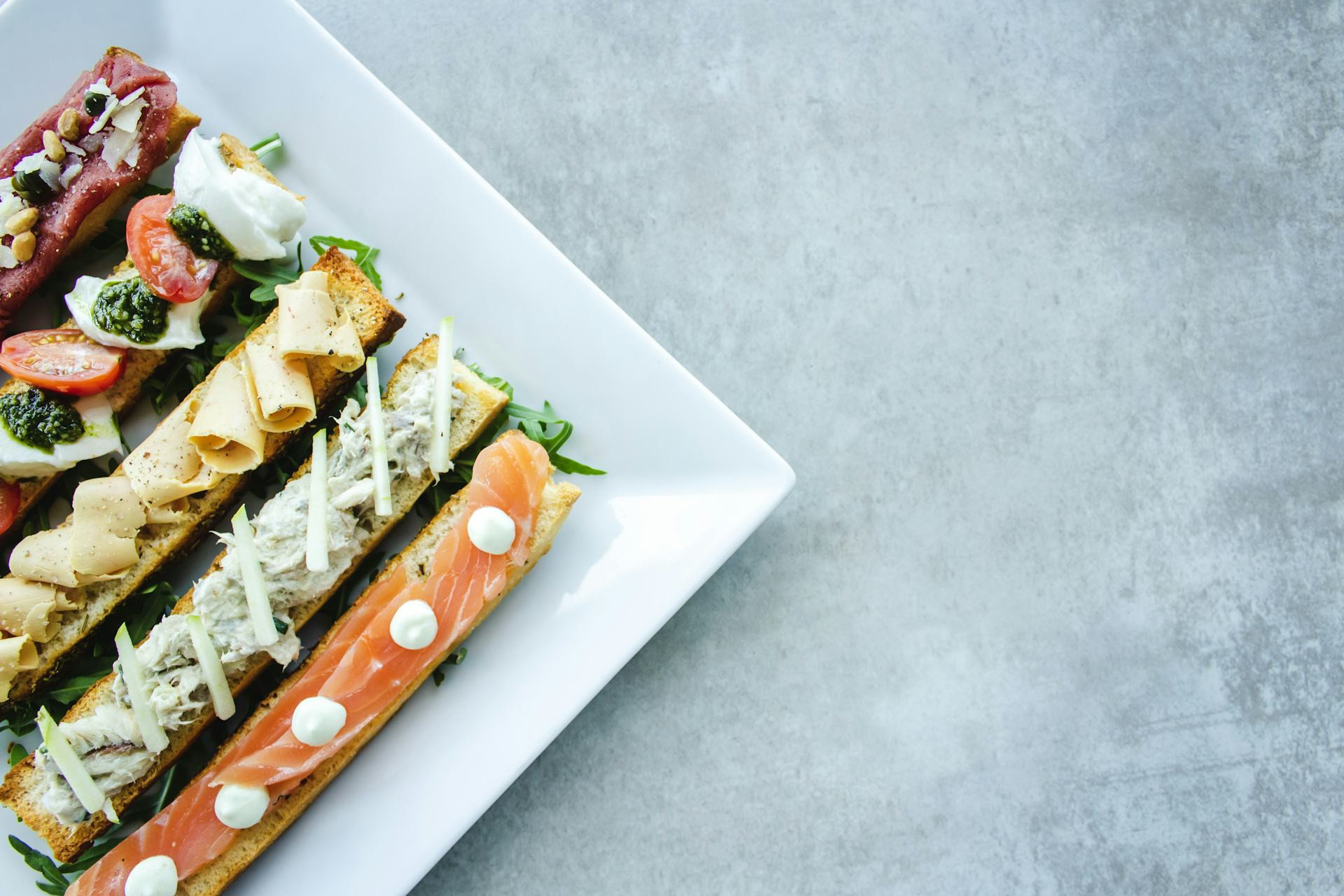
Food in Layers: How to Build Flavor and Texture
Cooking isn’t just about following a recipe—it’s about understanding how flavor and texture come together, layer by layer. When you learn to think in stages, even a simple dish can feel complex and satisfying. Here’s a guide to building depth, balance, and character in your cooking, one layer at a time.
Start with the Foundation
Every dish begins with a base—the foundation on which all other flavors rest. It might be a broth, a sauce, or a simple mix of onions, garlic, and spices.
The key is to build depth early. Sauté your vegetables until they develop color, toast your tomato paste before adding liquid, or warm your spices briefly in oil to release their aroma. These small steps create a richer, more developed flavor than simply combining raw ingredients.
Build with Contrast
Flavor becomes interesting when there’s contrast. A creamy soup comes alive with a touch of acidity, a rich sauce feels balanced with something fresh, and a salty dish can be lifted by a hint of sweetness.
Think about the five basic tastes—salty, sweet, sour, bitter, and umami—and how they interact. A classic chili, for example, gets umami from the meat and tomatoes, sweetness from onions and peppers, and brightness from a splash of lime or vinegar. The harmony between these elements is what makes the dish satisfying.
Læs også:
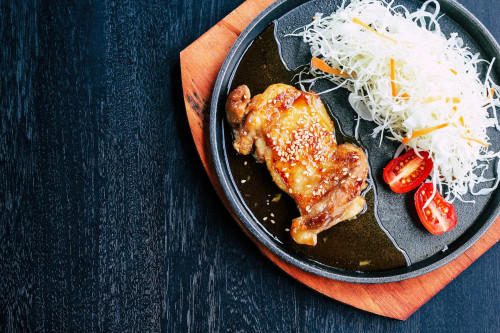
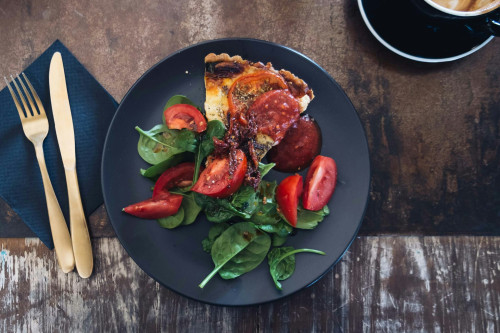
Texture: The Overlooked Layer
Flavor is only half the experience—texture is the other. A dish that’s all soft can feel flat, while a mix of crisp, creamy, and tender elements keeps every bite interesting.
Consider how you can add variety:
- Sprinkle toasted nuts or seeds for crunch.
- Add fresh herbs or raw vegetables for brightness.
- Combine cooking methods—like roasted and raw components in the same salad.
Even small touches, such as a drizzle of olive oil or a pinch of flaky salt just before serving, can transform the final impression.
Time and Temperature: The Hidden Flavor Builders
Some flavors need time to develop. A stew often tastes better the next day, once the ingredients have melded together. The same goes for baked goods, marinades, and pickled items.
Temperature matters, too. A warm salad tastes different from a cold one, and a sauce served too hot can lose subtle notes. Taste your food as you cook—and again before serving—to understand how time and temperature shape flavor.
Engage All Your Senses
Building flavor and texture means paying attention with all your senses. Listen to the sizzle of onions in the pan, feel the texture of dough under your hands, and breathe in the aroma of a simmering sauce.
The more you tune in to these cues, the better you’ll become at adjusting as you go. Cooking isn’t just technique—it’s intuition, and that intuition grows with practice.
Finish with Intention
The final layer is about bringing everything together. A sprinkle of herbs, a squeeze of citrus, or a touch of richness can tie the flavors into a cohesive whole. This is where your dish gains personality.
Ask yourself: What’s missing? Something crunchy? Something fresh? Something to deepen the flavor? When you start thinking this way, you move beyond simply following recipes—you begin to create food with awareness, balance, and heart.
Læs også: