Learn New Kitchen Skills Using Recipes as a Tool for New Techniques

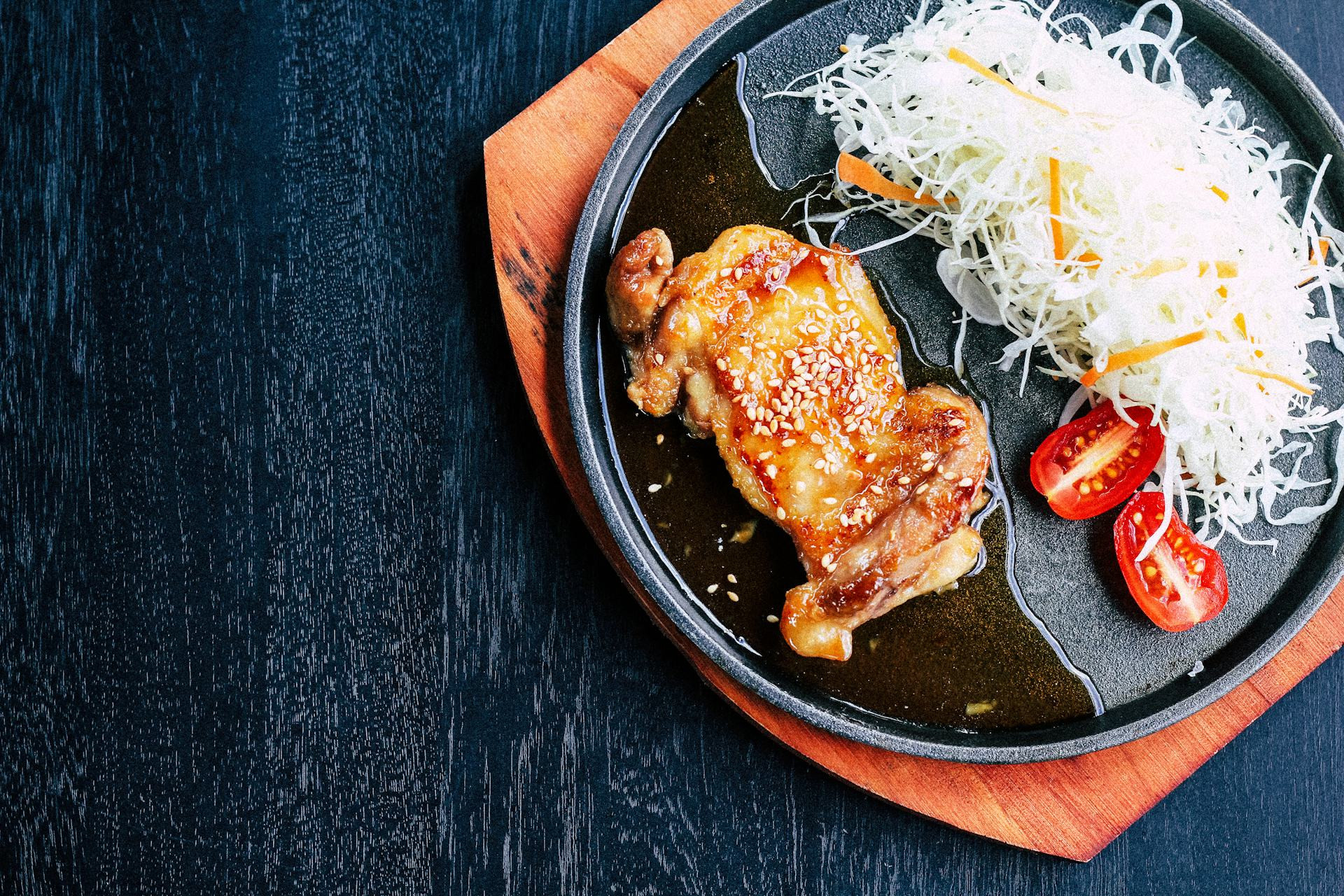
Turn everyday recipes into lessons that build your confidence and creativity in the kitchen
Food
Food
7 min
Discover how to use recipes as more than just step-by-step guides. Learn to read, adapt, and experiment with them to develop new cooking techniques, understand ingredients better, and grow as a home chef.
Kyla Roberts
Kyla
Roberts

Learn New Kitchen Skills Using Recipes as a Tool for New Techniques

Turn everyday recipes into lessons that build your confidence and creativity in the kitchen
Food
Food
7 min
Discover how to use recipes as more than just step-by-step guides. Learn to read, adapt, and experiment with them to develop new cooking techniques, understand ingredients better, and grow as a home chef.
Kyla Roberts
Kyla
Roberts

Cooking isn’t just about following a recipe from start to finish. It’s also a chance to learn new techniques, understand ingredients more deeply, and build confidence in the kitchen. A recipe can be a learning tool—not a strict rulebook—and when you use it intentionally, you can gradually become a more skilled and creative cook. Here’s how to turn recipes into opportunities for growth rather than just instructions to follow.

Read the Recipe Like a Chef, Not a Student

Most of us jump right in when we find a recipe that looks delicious. But professional chefs always read the entire recipe before they start cooking. This gives them a sense of timing, techniques, and the order of steps. When you do the same, you start to see how a dish is structured—and why it works.

Pay attention to:

  • The techniques involved (sautéing, roasting, blanching, etc.).
  • How ingredients are prepped—does the order make sense?
  • The temperatures and cooking times—why are they important?

By asking these questions, you begin to think like a cook who understands the process, not just someone who follows directions.

Focus on One Technique at a Time

If you want to improve your cooking skills, it helps to focus on one technique at a time. It could be whisking eggs into a fluffy foam, searing meat for a perfect crust, or mastering the art of making a smooth sauce. Choose recipes where that technique is central, and repeat them with small variations.

Examples:

  • Sauces and emulsions: Start with a simple vinaigrette, then move on to homemade mayonnaise. Both teach you how to combine oil and liquid in different ways.
  • Baking: Try a basic loaf of bread, then experiment with rising times, flour types, and oven temperatures.
  • Searing: Practice getting your pan hot enough to create a crisp crust without burning the food.

Once you’ve mastered a technique, you can start improvising—and that’s when cooking becomes truly fun.

Learn From Mistakes

No one becomes a great cook without making mistakes. A sauce might break, bread might not rise, or vegetables might overcook. Instead of seeing these as failures, treat them as lessons. Ask yourself: What happened, and why?

Write notes in the margins of your recipe—things like “too much heat,” “needs more salt next time,” or “used too much liquid.” Over time, your recipes become personal records of your learning process, and that experience is something no cookbook can give you.

Experiment With Variations

After you’ve made a dish a few times, start changing small things. Swap an ingredient, adjust the seasoning, or try a different cooking method. This is how you learn how flavor and texture interact.

Try these ideas:

  • Switch up the herbs in a pasta dish to see how the flavor changes.
  • Use butter instead of oil and notice the difference in richness.
  • Add a splash of acid—like lemon juice or vinegar—to balance sweetness or fat.

Experimenting helps you understand the chemistry of food and develop your own cooking style.

Learn From the Pros—But Adapt to Your Kitchen

Cookbooks, cooking shows, and online tutorials are great sources of inspiration, but remember that professional chefs often work in very different environments than home cooks. Use their techniques as a starting point, but adapt them to your equipment, schedule, and ingredients.

Maybe you don’t have a sous vide machine or a commercial-grade oven—but you can still learn the principles behind those methods and find ways to replicate them at home. The key is understanding why something works, not just copying it exactly.

Make Cooking a Habit, Not a Chore

The more often you cook, the more natural it becomes to think in terms of techniques and flavors. Try to see cooking as a daily opportunity to practice, not as a task to get through. Even a simple weeknight meal can be an exercise in timing, seasoning, or knife skills.

Set small goals for yourself—like chopping onions more efficiently, making a perfect omelet, or baking bread without a recipe. These small steps add up over time and build real confidence.

Cooking as Creative Learning

When you use recipes as learning tools, your kitchen becomes a place of creativity and curiosity. You start to understand how flavor, texture, and technique connect—and you gain the confidence to create your own dishes.

In the end, cooking isn’t about following rules; it’s about understanding them well enough to break them. And that journey starts with one recipe at a time.

Create your own morning routine for success
The morning sets the tone for the rest of the day. Learn how to design a morning routine that boosts your productivity and mood with simple exercises and habits that fit your lifestyle.
Open the e-book now
Meal Planning for the Whole Family – When Tastes and Preferences Differ
Make mealtimes easier with smart planning that suits every taste
Food
Food
Meal Planning
Family Meals
Healthy Eating
Cooking Tips
Food Inspiration
6 min
Discover how to plan family meals that balance different preferences, save time, and reduce stress. With a few simple strategies, you can create weekly menus that please everyone—from picky eaters to adventurous food lovers.
Adrian Adams
Adrian
Adams
Food in Layers: How to Build Flavor and Texture
Discover how layering flavors and textures can transform your cooking from simple to extraordinary
Food
Food
Cooking Techniques
Flavor Building
Culinary Skills
Home Cooking
Food Inspiration
2 min
Learn the art of building flavor and texture step by step. This guide shows how thoughtful layering—through contrast, timing, and sensory awareness—creates dishes with depth, balance, and lasting appeal.
Zuri Nelson
Zuri
Nelson
Learn New Kitchen Skills Using Recipes as a Tool for New Techniques
Turn everyday recipes into lessons that build your confidence and creativity in the kitchen
Food
Food
Cooking Skills
Kitchen Techniques
Home Cooking
Culinary Learning
Food Inspiration
7 min
Discover how to use recipes as more than just step-by-step guides. Learn to read, adapt, and experiment with them to develop new cooking techniques, understand ingredients better, and grow as a home chef.
Kyla Roberts
Kyla
Roberts
Taste with Intuition – The Art of Finding the Right Balance
Discover how trusting your senses can transform the way you cook
Food
Food
Cooking
Flavor
Intuition
Culinary Skills
Food Inspiration
4 min
Learn to move beyond strict recipes and develop a natural feel for flavor. This article explores how intuition, balance, and curiosity can help you create dishes that truly reflect your personal taste.
Breanna Nelson
Breanna
Nelson
Leftovers with Potential: Turn Yesterday’s Meals into Delicious New Dishes
Discover creative ways to reinvent your leftovers and cut down on food waste
Food
Food
Leftovers
Food Waste
Sustainable Cooking
Meal Planning
Home Cooking
6 min
Don’t let yesterday’s dinner go to waste. Learn how to turn leftover ingredients into exciting new dishes that save money, reduce waste, and make mealtime easier. With a few smart strategies, your fridge can become a source of endless culinary inspiration.
Greyson Carter
Greyson
Carter
Learn to Say No – and Make More Time for What Really Matters
Discover how setting boundaries can help you reclaim your time and focus on what truly matters
Lifestyle
Lifestyle
Personal Growth
Time Management
Mindfulness
Self-Care
Boundaries
5 min
Constant demands and endless obligations can leave you drained and distracted. Learn why saying no is essential for your well-being, how to do it with confidence, and how each no opens space for the things that bring real meaning to your life.
Adrian Adams
Adrian
Adams
Routines That Boost Your Energy: How to Create a Life Full of Balance and Drive
Discover simple daily habits that help you feel more energized, focused, and balanced.
Lifestyle
Lifestyle
Energy
Wellness
Productivity
Healthy Habits
Lifestyle
5 min
Learn how to design routines that naturally boost your energy and motivation. From mindful mornings to restful nights, these practical steps will help you create a life filled with balance, purpose, and lasting drive.
Zuri Nelson
Zuri
Nelson
Rediscover the Joy of What You Already Own
Find happiness and meaning in the things you already have
Lifestyle
Lifestyle
Minimalism
Mindful Living
Sustainability
Simplicity
Wellbeing
5 min
In a world driven by constant upgrades and new purchases, it’s easy to overlook the value of what’s already yours. This article explores how rediscovering and appreciating your belongings can bring renewed joy, reduce stress, and support a more mindful, sustainable lifestyle.
Kyla Roberts
Kyla
Roberts
Self-Acceptance as the Path to Inner Peace and Mental Balance
Discover how embracing who you are can bring calm, clarity, and emotional strength
Lifestyle
Lifestyle
Self-Acceptance
Mental Health
Inner Peace
Personal Growth
Emotional Wellbeing
3 min
In a world that constantly pushes us to be better, faster, and more successful, self-acceptance offers a gentler path toward true peace of mind. Learn how meeting yourself with compassion instead of criticism can restore balance and nurture lasting inner harmony.
Breanna Nelson
Breanna
Nelson