Leftovers with Potential: Turn Yesterday’s Meals into Delicious New Dishes


Leftovers with Potential: Turn Yesterday’s Meals into Delicious New Dishes
Food waste is one of the biggest challenges in American households—but it doesn’t have to be. Hidden in those containers at the back of your fridge is a world of potential. With a little creativity and planning, you can transform yesterday’s dinner into fresh, flavorful meals that save both money and resources. Here’s how to give your leftovers a second life.
Think in Ingredients, Not in Meals
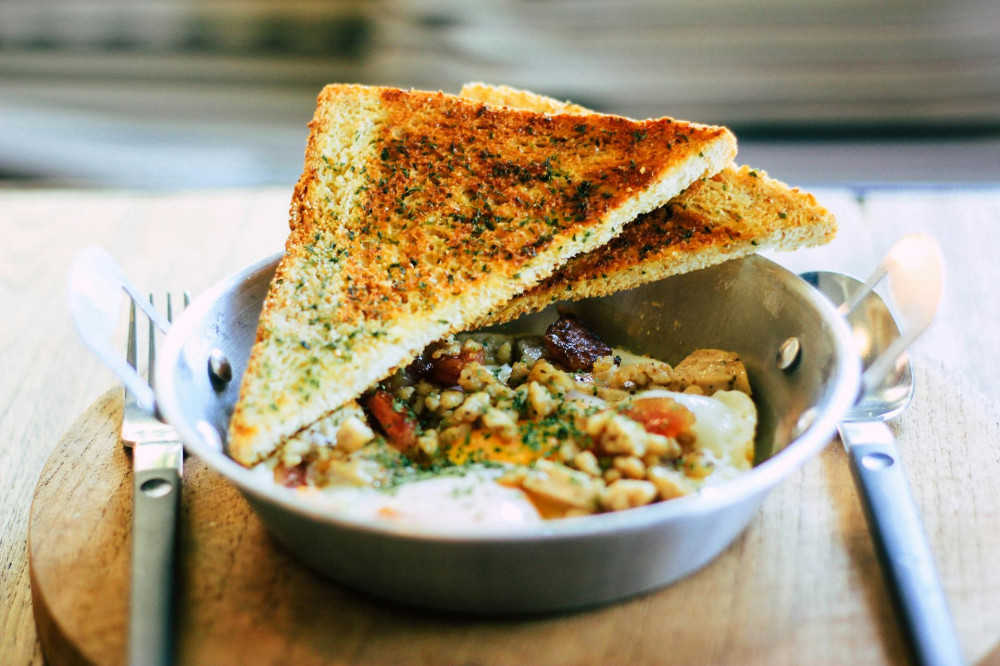
When you look at leftovers, try to see them as ingredients rather than finished dishes. A few roasted potatoes can become mashed potatoes, a breakfast hash, or a creamy soup. Leftover grilled chicken can be turned into tacos, a salad topping, or a hearty sandwich filling.
By thinking flexibly, you’ll open up more possibilities—and avoid feeling like you’re eating the same thing twice. The key is to use what you already have as the foundation for something new.
Make Your Fridge Work for You
An organized fridge is your best ally in reducing food waste. Keep older items toward the front and store leftovers in clear containers so you can easily see what’s inside.
Try designating a “use first” shelf for foods that need to be eaten soon. This simple habit helps you stay aware of what’s on hand and prevents good food from going bad before you get to it.
Go-To Dishes That Rescue Leftovers
Some dishes are practically made for using up leftovers—and they can be endlessly customized:
- Frittatas or omelets – Great for leftover veggies, meats, and cheese.
- Soups and stews – Toss in cooked grains, beans, or vegetables for a comforting meal.
- Wraps and quesadillas – Fill them with leftover chicken, beans, or roasted vegetables.
- Pasta or rice bowls – Combine leftovers with a sauce, herbs, and a sprinkle of cheese.
- Casseroles and pot pies – Perfect for mixing small portions of different ingredients into one satisfying dish.
These recipes rarely require exact measurements, making them ideal for improvisation.
Boost the Flavor
Sometimes leftovers just need a little flavor refresh. Spices, fresh herbs, citrus juice, or a drizzle of sauce can make a big difference. For example, leftover roast beef can become a spicy stir-fry with soy sauce and ginger, while plain cooked vegetables can shine again with olive oil, garlic, and a squeeze of lemon.
Small tweaks can completely transform a dish—and make it feel brand new.
Plan with Leftovers in Mind
The best way to cut down on waste is to plan for leftovers from the start. Cook extra rice to use in fried rice the next day, or roast a double batch of vegetables for tomorrow’s grain bowl or salad.
This approach saves time and money while giving you a more varied weekly menu without extra effort.
Freeze for Later
If you can’t use leftovers right away, your freezer is your friend. Most cooked foods freeze well if stored in airtight containers. Label each container with the date and contents so you can easily find what you need later.
On a busy night, you’ll thank yourself for having a ready-to-heat meal waiting in the freezer—no takeout required.
Læs også:


Leftovers as Part of a Sustainable Lifestyle
Using leftovers isn’t just about saving money—it’s also a meaningful step toward a more sustainable lifestyle. Every time you keep food out of the trash, you’re conserving the energy, water, and labor that went into producing it.
Plus, it can be a fun creative challenge. When you learn to see the potential in what’s already in your kitchen, cooking becomes less about waste and more about discovery—where every bite counts.
Læs også: